
Plastic Is in Every Human Brain.
Here's How We Evolve.
A landmark study has just confirmed what many of us in the longevity space have feared, and what I believe is one of the most important biological wake-up calls of our generation.
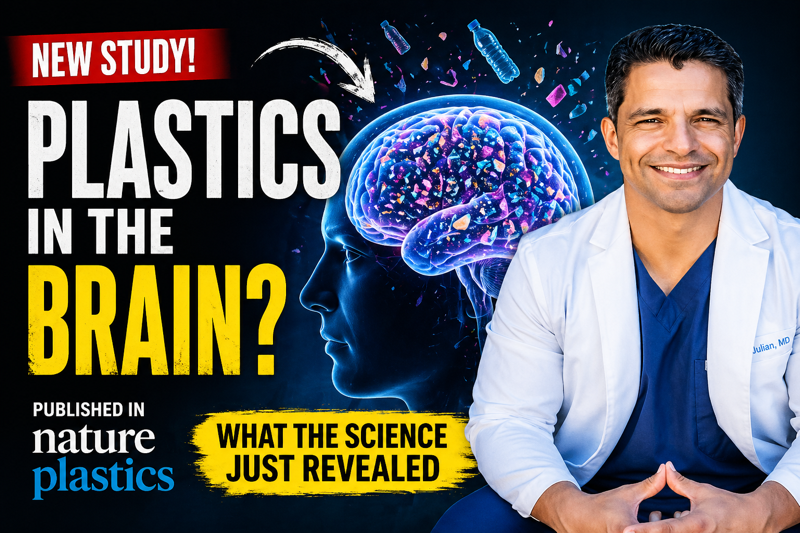
Researchers publishing in Nature Health found synthetic plastic particles in nearly every single human brain sample tested, 100% of healthy tissue and 99.4% of diseased tissue. Frontal lobe to cerebellum. Every region.
I've been sitting with this data. And I knew I had to bring it to you directly, because this isn't just a headline. It's a signal. And when biology sends us a signal this loud, we have a responsibility to listen, and then act.

What the science actually found
Chinese researchers analyzed 191 brain samples, from patients undergoing surgery for brain tumors and from healthy controls. Using advanced high-resolution laser infrared spectroscopy, they identified 12 distinct types of synthetic plastic lodged inside human brain tissue across every region they tested.
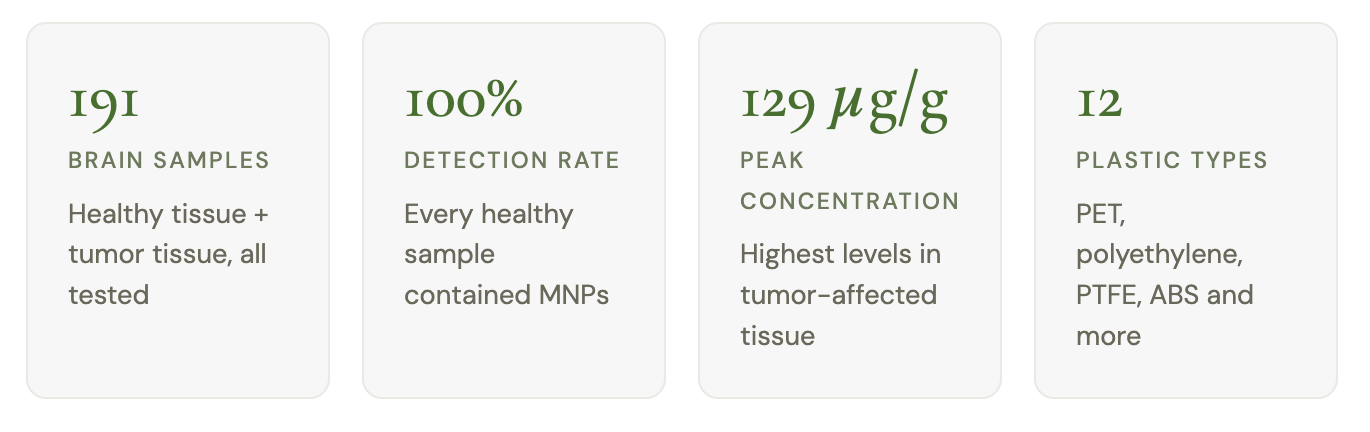
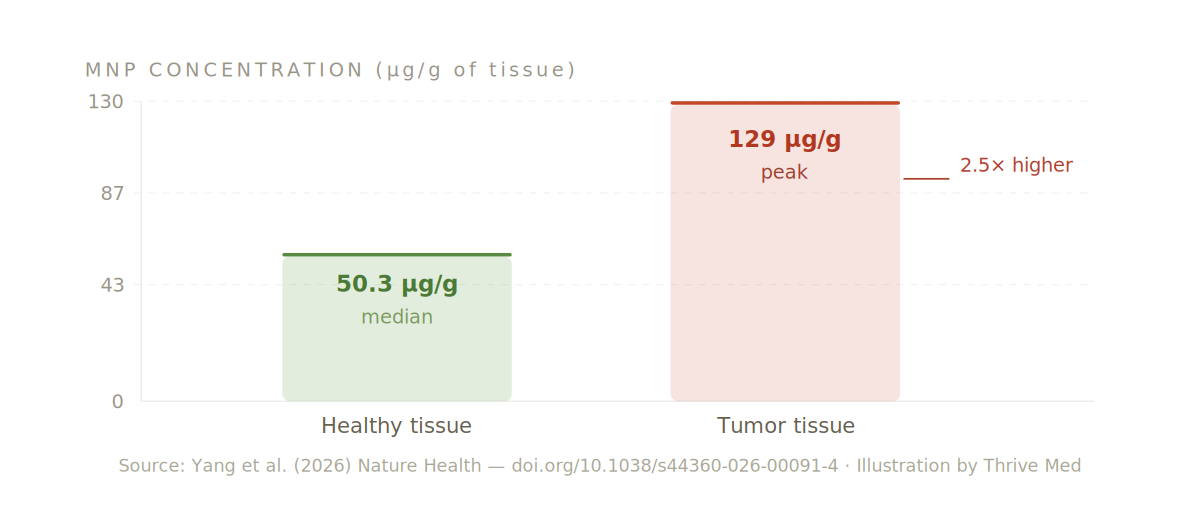
FIGURE 1 — MNP CONCENTRATION: HEALTHY VS. TUMOR TISSUE
How they enter and what they do inside
The brain is protected by one of the most selective barriers in the human body: the blood-brain barrier. Designed to keep out pathogens and toxins while delivering nutrients. And yet, these particles bypass it.
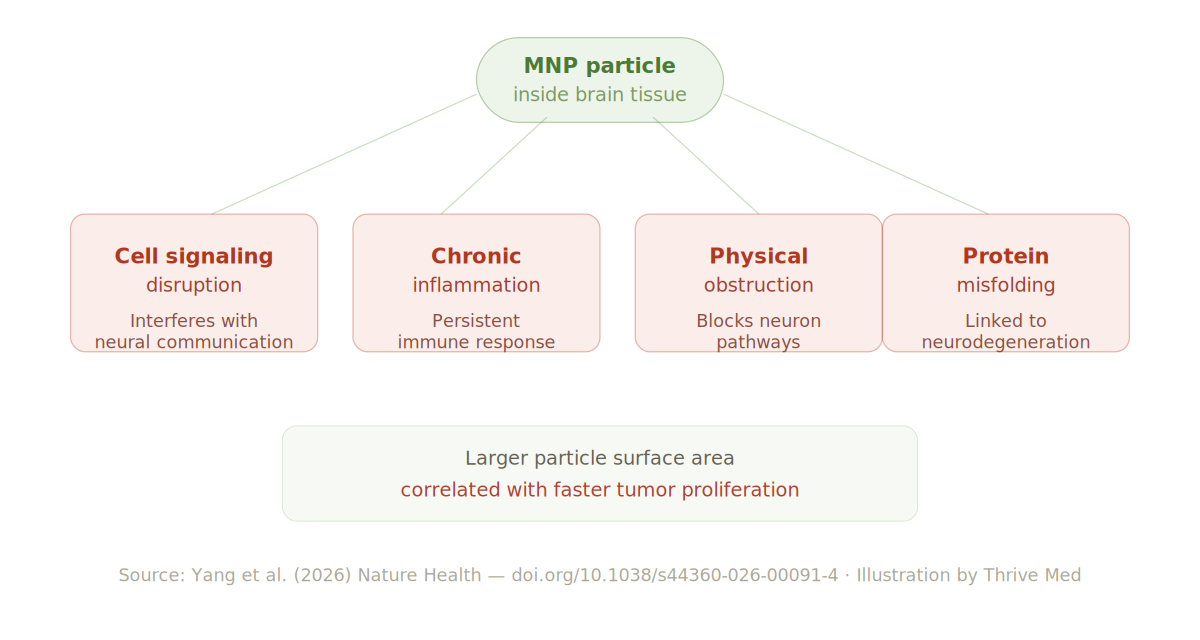
The study suggests that a compromised blood-brain barrier, common in cancer, may be actively accelerating this synthetic infiltration. Once inside, these jagged shards of polyamide, PTFE, and ABS don't just sit there.
FIGURE 2 — PATHWAYS OF HARM ONCE INSIDE THE BRAIN
The question we must ask
Could this lifelong accumulation of plastic be a hidden driver behind the rising rates of Alzheimer's, Parkinson's, and other neurodegenerative conditions? The science is asking exactly that question, and it demands we take it seriously.

The path forward
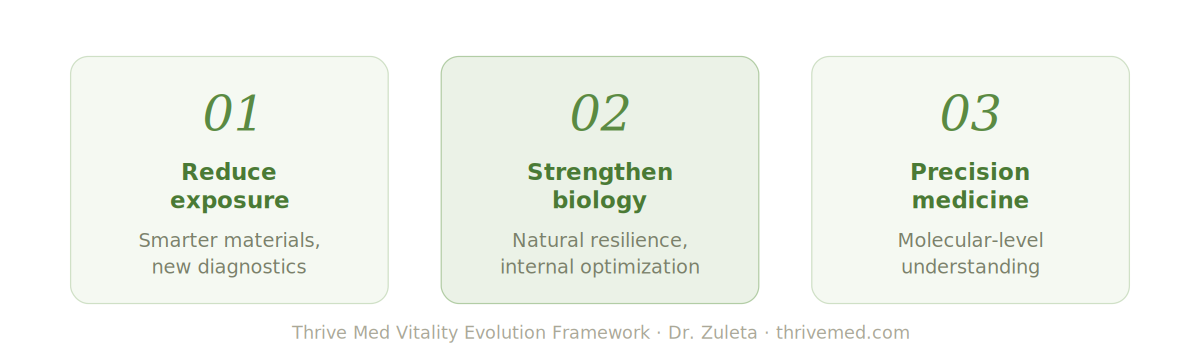
New diagnostic tools and biological filters are already being developed to reduce exposure at the source. Material sciences are advancing rapidly, alternatives to plastic designed to minimize biological impact are moving into real-world use. And precision medicine is giving us the tools to understand our internal environment at the molecular level.
FIGURE 3 — THE VITALITY EVOLUTION FRAMEWORK
This is exactly why I built Thrive Med. Because the next frontier of human vitality isn't found in the current healthcare system. It's found when you decide to understand your biology deeply, and take ownership of it.
When we act on the data, our biology responds. That's not philosophy. That's science.
If this hit home for you, share it with someone who needs to read it. For more deep-dives like this one on brain health, longevity, and what the science is actually saying, follow me on Medium.
Stay well.
— Dr. Andres Zuleta, MD
Family Medicine Physician | Founder, ThriveMed
Study references
Yang et al. (2026). Mapping the distribution and characterization of micro- and nanoplastics in human brain tissue. Nature Health.
doi.org/10.1038/s44360-026-00091-4
Related: Nihart et al. (2025). Bioaccumulation of microplastics in decedent human brains.Nature Medicine.
doi.org/10.1038/s41591-024-03453-1
This article is for educational purposes only and is not a substitute for personalized medical advice. If you have specific concerns about microplastics, neurodegeneration, or your health, please consult a qualified healthcare provider.